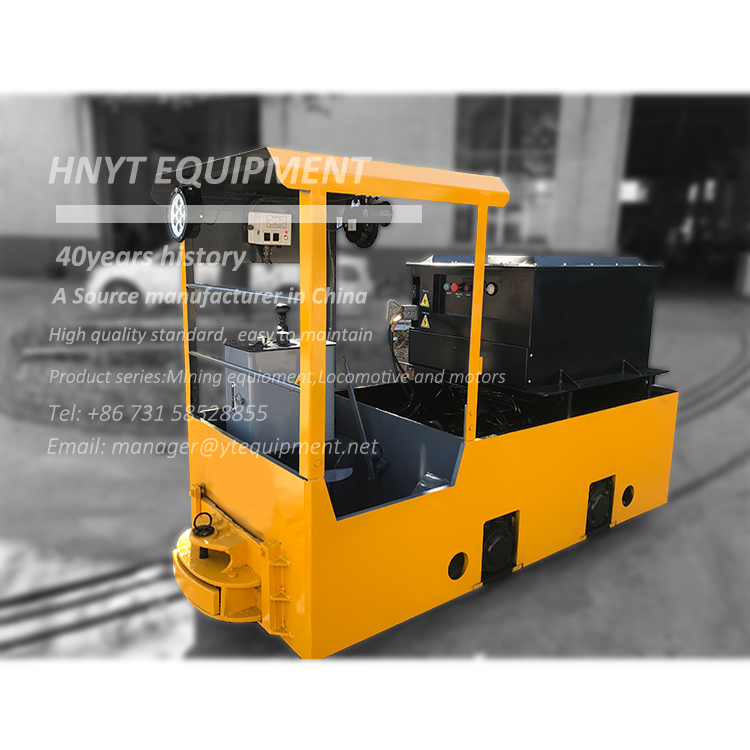
A 2.5 ton battery mining locomotive is a compact rail traction unit for moving mine wagons. It can be considered for ore and material transport where a mine has a suitable narrow-gauge railway and needs a locomotive with an onboard power supply. Choosing one starts with understanding the transport job: what must be moved, along which route, and how often.
The most important distinction is simple: 2.5 tons describes the locomotive’s own weight, not its payload or a guaranteed train load. This guide explains the equipment and the questions that help turn a product enquiry into a workable haulage specification.
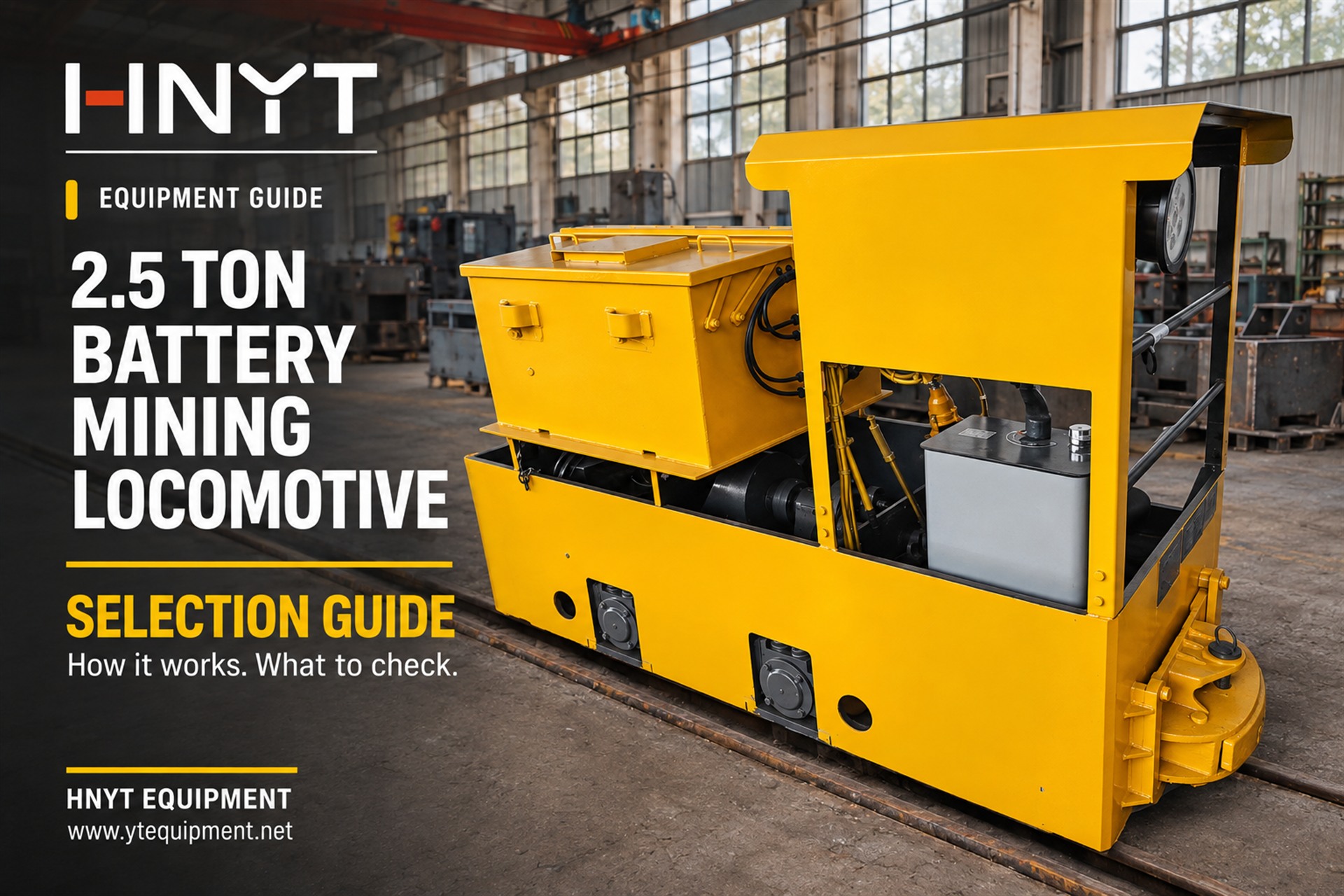
An onboard battery supplies electrical energy to the traction motor through a controller. The motor drives the wheelsets through the transmission, while the controller regulates propulsion. Couplers connect the locomotive to the wagons carrying the load.
The locomotive therefore provides traction; the wagons provide carrying space. The battery, motor, transmission, wheel–rail contact and brakes must work together. Increasing battery capacity alone does not increase the load that the locomotive can safely start, pull and stop.
Battery operation also makes charging part of the transport plan. Time spent charging, inspecting the equipment, loading wagons and waiting at passing points all affects the number of trips completed during a shift.
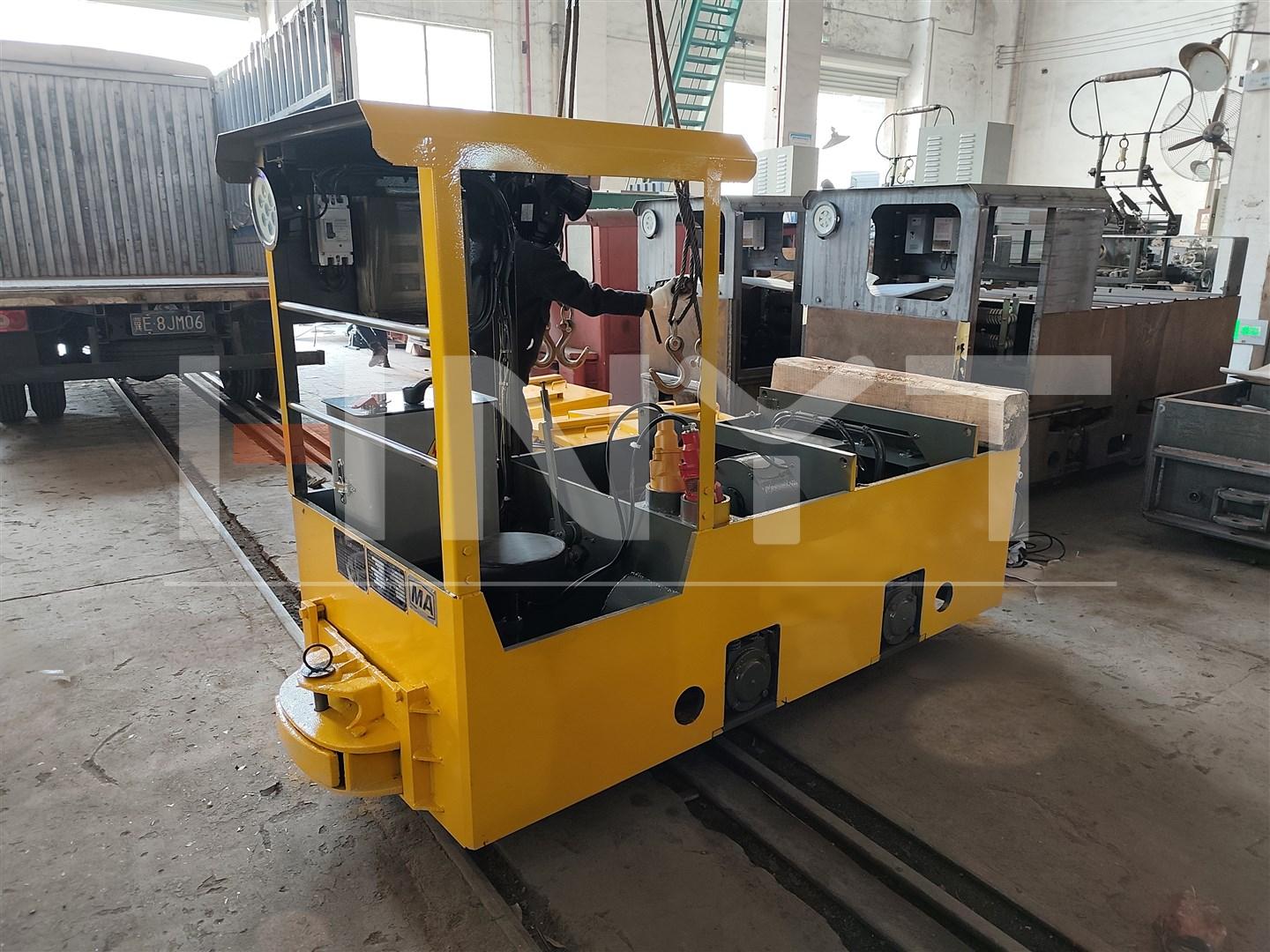
A useful starting point is a defined route between a loading area and an unloading or transfer point. A compact locomotive may suit a modest train size, an auxiliary material route or a section of a larger haulage system. Suitability depends on the railway and operating conditions, rather than the mine’s overall production alone.
For example, a mine may need to deliver the same daily quantity along either a short route with frequent stops or a longer route with fewer stops. The first duty may involve more starts and waiting time; the second may require more running time between charging opportunities. Identical daily tonnage does not mean identical equipment requirements.
Check the operating environment early. A standard battery locomotive must not be assumed suitable for an explosive atmosphere. The supplied configuration and its documentation need to match the actual mine environment and project requirements.
The HNYT 2.5 ton battery locomotive product page lists these reference values:
| Item | Published value |
|---|---|
| Locomotive weight | 2.5 t |
| Track gauge options | 600 / 762 / 900 mm |
| Motor power | 3.5 kW × 1 |
| Speed | 4.54 km/h |
| Minimum turning radius | 5 m |
These values describe a published configuration, not a complete project approval. In particular, a minimum turning radius does not establish clearance for the entire coupled train. Wagon length, coupler movement, tunnel geometry and the space needed around the vehicle still require checking. Confirm the final configuration in the supplier’s technical offer.
There is no single payload that applies to every route. Separate three quantities when preparing an enquiry: locomotive mass, empty wagon mass and material payload. The locomotive has to move itself as well as the wagons and their contents.
For a simple accounting example, four wagons weighing 1 ton each and carrying 2 tons of material each represent 8 tons of payload and 12 tons of trailing mass. With a 2.5 ton locomotive, total moving mass is 14.5 tons. This example explains the terms; it does not establish that this train is suitable for the locomotive.
A haulage assessment must then consider starting conditions, gradients, curves, rail condition and speed. The return journey also matters: a loaded downhill movement can make braking a decisive constraint even when pulling the load appears manageable.
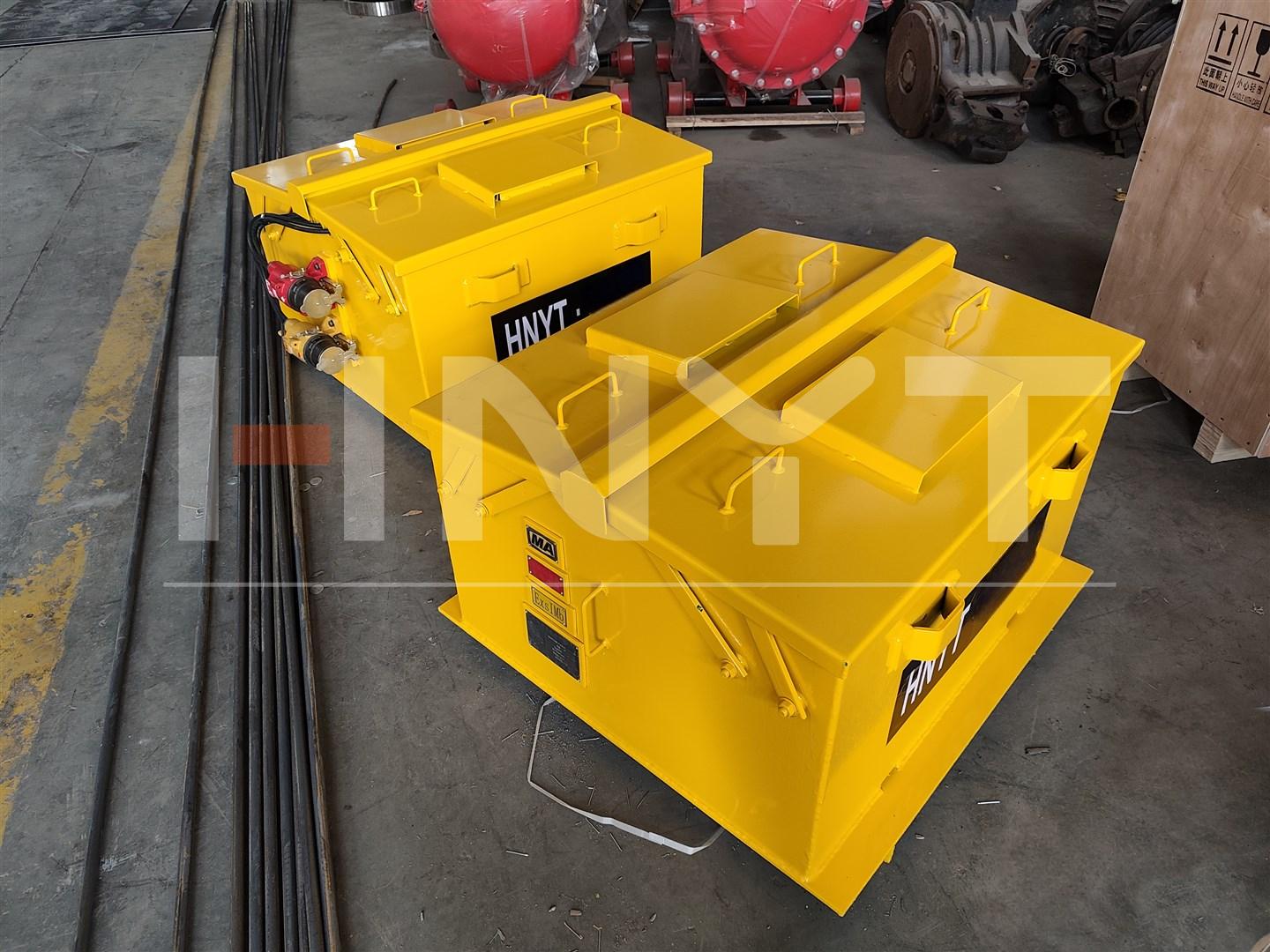
Compare batteries against a complete shift, including loaded running, empty returns, stops and charging access. Ampere-hours alone are not enough to compare packs with different voltages, and nominal stored energy is not the same as usable energy during a working shift.
Ask the supplier to state the assumptions behind any runtime estimate: train load, route profile, travel speed, ambient conditions and battery discharge limits. Charging time should refer to the proposed battery and charger combination and to the available electrical supply.
HNYT also lists a 2.5 ton lithium battery locomotive. When comparing a lithium configuration with another battery option, review charger compatibility, battery protection, service arrangements and replacement requirements. A battery change should be assessed as a system change rather than an isolated component purchase.
Prepare a short route-and-duty sheet, then use it as the basis for the technical discussion:
The resulting offer should make the supplied equipment and acceptance criteria clear. Agree how the locomotive, wagons, brakes, charger and controls will be checked together, which documents and spare parts are included, and who is responsible for commissioning. This gives the buyer a basis for assessing delivery against the intended transport task.
No. The figure identifies locomotive weight. Material travels in the wagons, and allowable train load depends on a route-specific assessment.
Not necessarily. More stored energy may help operating time, but it does not by itself resolve limitations in traction, braking or route compatibility.
No. Matching gauge is essential, but wheel and rail compatibility, clearances, curves, couplings and the planned duty also need review.
Send HNYT EQUIPMENT a route sketch, wagon details, target trips per shift and charging arrangements. Include the destination country and operating environment so the enquiry can be reviewed against a specific configuration. Start with the 2.5 ton battery locomotive and request a technical proposal based on your site data.
←Mining Dump Truck Hydraulic Lift Slow or Weak? A Maintenance Guide
No Information→