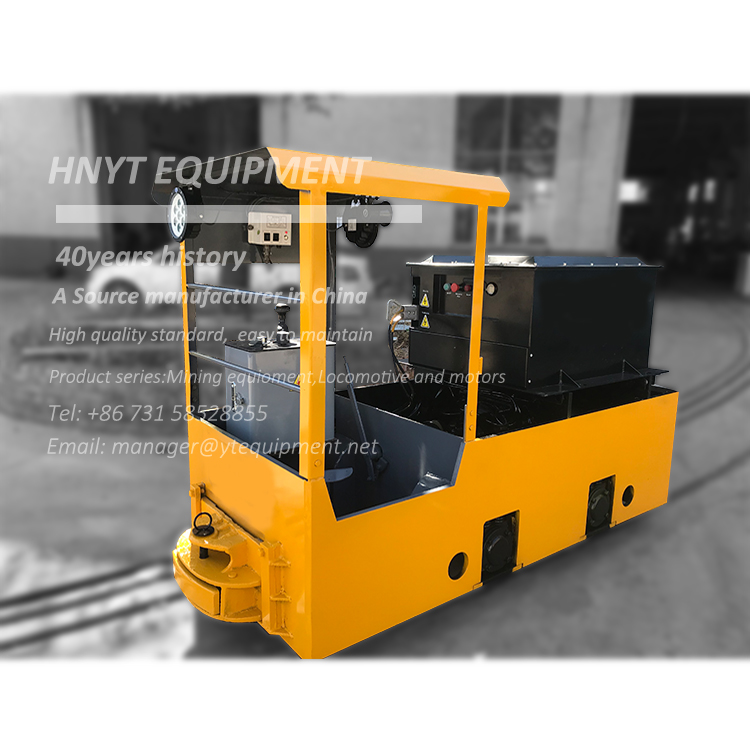
A 2.5 ton battery electric locomotive depends on its transmission system to transfer traction-motor power to the wheelset. If the backlash between the large and small bevel gears is too large or too small, the locomotive may develop abnormal noise, impact, heat, uneven power transmission or accelerated gear wear.
This guide explains how the two adjusting nuts change the position of the bevel gear, how to increase or decrease the gear clearance, and how to lock the final setting with the tab-type locking washer (stop washer). The procedure is intended for trained mine maintenance personnel and should be used together with the service requirements for the specific locomotive configuration.
Excessive backlash can create knocking or impact when the locomotive starts, changes direction or comes under load. Repeated impact may increase tooth wear and make power transfer less stable.
Insufficient backlash can make the gears bind as they rotate. This may increase friction, operating temperature and noise, and can place additional load on the gear teeth and bearings. The goal is smooth, consistent meshing without binding or excessive free movement.
Park the 2.5 ton mining battery locomotive on secure, level track. Switch off and isolate the power supply, prevent unintended movement, and make sure the transmission cannot start during inspection. Only trained personnel should open or adjust the drive assembly.
Clean the work area and inspect the large bevel gear, small bevel gear, adjusting nuts and locking washer. If the gear teeth are chipped, cracked or heavily worn, or if the shaft or bearing has obvious looseness, correct those faults before attempting to set the backlash.
Identify the two adjusting nuts. The two nuts control the axial position of the bevel gear. Changing this position changes the meshing clearance between the large and small bevel gears. Confirm the arrow direction shown in the maintenance video or the applicable service illustration before turning either nut.
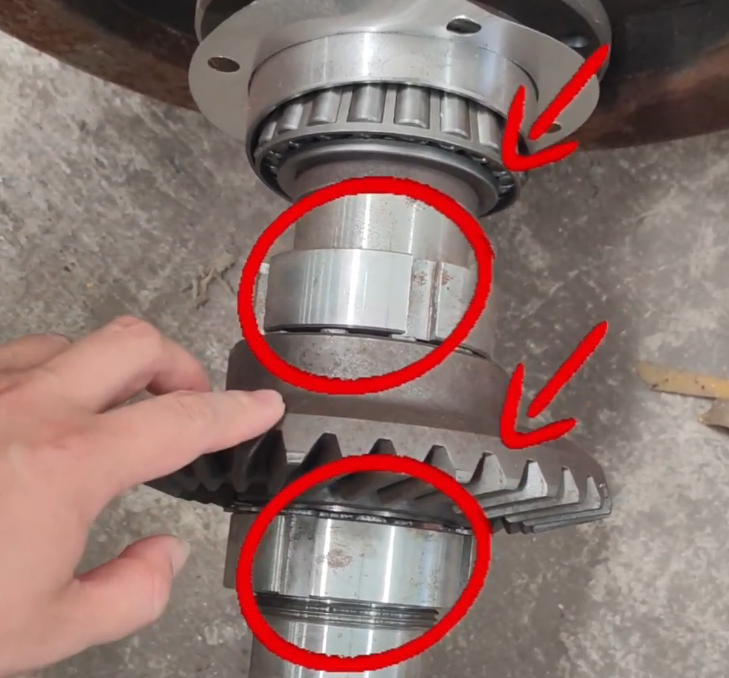
Increase the gear clearance. Turn the adjusting nut in the direction indicated by the arrow. The bevel gear position will change and the clearance between the two bevel gears will increase. Move the nut only a small amount at a time.
Decrease the gear clearance. To reduce the clearance, turn the adjusting nut in the direction opposite to the arrow shown in the video. Again, use small, controlled movements to avoid making the gear mesh too tight.
Adjust both nuts gradually. Work slowly with the two nuts until the large and small bevel gears reach the required meshing clearance. Recheck the gear movement after each small adjustment. Do not force the gear or make a large correction in one step.
Confirm smooth meshing. With the locomotive safely isolated, check that the gear pair turns smoothly through its working rotation and does not bind. The acceptable backlash is model-specific, so use the value and inspection method specified for the particular 2.5 ton battery locomotive rather than applying an unverified universal setting.
Lock the nuts with the locking washer. After adjustment, align the protruding tabs on the locking washer with the slots in the nuts. Bend the corresponding aligned tabs into the slots to secure the nuts and prevent them from loosening during operation.
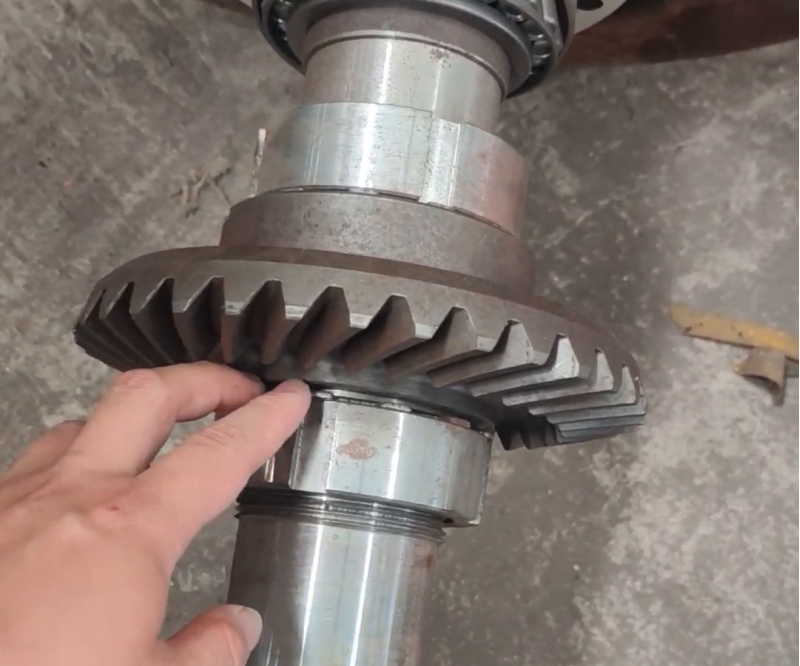
The locking washer has more tabs than the nuts have slots. This is intentional. Bend only the tabs that align with the nut slots; the remaining tabs do not need to be bent. Bending every tab is unnecessary and can make future maintenance more difficult.
Before closing the transmission assembly, confirm that the nuts are secure, the selected tabs are fully seated in the slots, and no tools or debris remain near the gears. Restore the cover, seals and lubrication according to the locomotive maintenance procedure.
After reassembly, perform a controlled low-speed test without an excessive load. Listen for abnormal knocking or rubbing, check for unusual heat or vibration, and stop the locomotive if the gear mesh does not remain smooth. Reinspect the setting before returning the locomotive to normal underground haulage service.
Stop the adjustment and arrange professional inspection if the backlash cannot be made consistent, the gears have visible damage, the bearing or shaft has abnormal play, or the transmission still produces heavy noise, heat or vibration after adjustment. Replacing or repairing worn components may be necessary before the gear clearance can be set correctly.
Adjusting bevel gear backlash on a 2.5 ton battery electric locomotive requires small, careful movements of the two adjusting nuts. Turning in the indicated arrow direction increases the clearance, while turning in the opposite direction decreases it. Once smooth meshing is achieved, lock the nuts by bending only the locking-washer tabs that align with the nut slots. Correct adjustment and secure locking help the mining battery locomotive transmit power more smoothly and reduce avoidable transmission wear.