Introduction: The Danger of Battery Mining Locomotive Drifting Stops
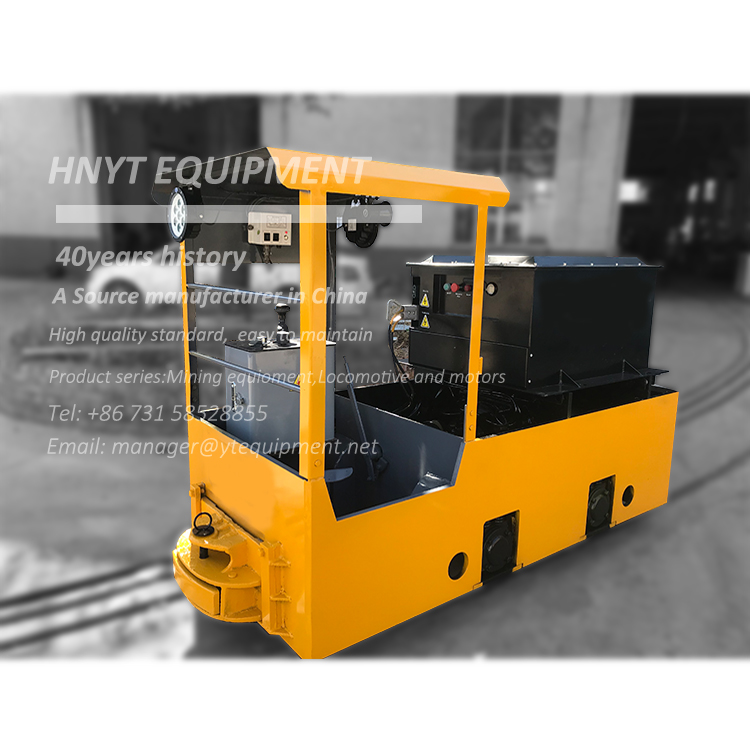
In the confined darkness of an underground mine, a battery mining locomotive that fails to stop on command is a serious safety hazard. For battery-powered locomotives, which often operate in tight gathering areas and near working crews, excessive braking distance can lead to collisions or derailments. If you find your battery hauler sliding past the designated stop point, the issue almost always stems from a few predictable, mechanical sources rather than the electrical drive system. Understanding these causes and applying the correct adjustment procedures is essential for safe tramming operations.
Root Cause 1: Worn or Maladjusted Brake Shoes
The most frequent culprit behind poor braking performance is simple mechanical wear. Battery locomotives rely heavily on block brakes—cast iron or composite shoes that press against the wheel treads.
The Problem:
Over time, these shoes wear down. When the clearance between the shoe and the wheel exceeds the manufacturer's limit (typically more than 3-5 mm in the released position), the brake linkage runs out of travel before full pressure can be applied. Additionally, if the brake rigging pins and clevises are not adjusted equally on both sides, you will experience uneven braking, causing the locomotive to skid sideways rather than stop efficiently.
The Fix:
Inspect the brake shoe thickness immediately. If the shoe is worn down to the safety wear line or rivet heads, replace it. After replacement, you must adjust the turnbuckles on the brake linkage rods. Tighten the adjustment nut until the shoes just kiss the wheel, then back it off slightly to allow free rotation. Always ensure both sides are adjusted evenly to prevent the locomotive from pulling to one side during an emergency stop.
Root Cause 2: Loss of Adhesion and the "Dead Sander"
Even with perfect brakes, a locomotive will slide if the wheels cannot grip the rail. Underground tracks are notoriously wet and greasy. When the controller is moved to the "brake" position, the wheels can lock up, but the heavy train continues to slide forward on a film of water.
The Problem:
The sanding system is your lifeline here. If the sandbox is empty, or more commonly, if the sand delivery tube is clogged with damp, caked sand, the locomotive loses its emergency grip. In a battery locomotive, the sander is often mechanically operated by a foot pedal or small lever; a broken cable or stuck valve will render it useless.
The Fix:
Check the sandboxes daily. Use only dry, screened sand specifically designed for locomotive traction. If the sand tube is clogged, clear it with compressed air or a flexible wire. Test the sander pedal by watching for a small pile of sand dropping directly onto the rail head in front of the drive wheels, not behind them.
Conclusion: A Three-Point Safety Check
When braking distance exceeds safe limits on a battery locomotive, do not immediately assume a complex electrical fault. Instead, follow this practical inspection sequence:
Measure and adjust the shoe-to-wheel clearance.
Verify the function of the mechanical sander system.
Inspect the track ahead for standing water or oil spills.
Maintaining the mechanical braking system is the most effective way to keep your battery mining locomotive operation both productive and safe underground.