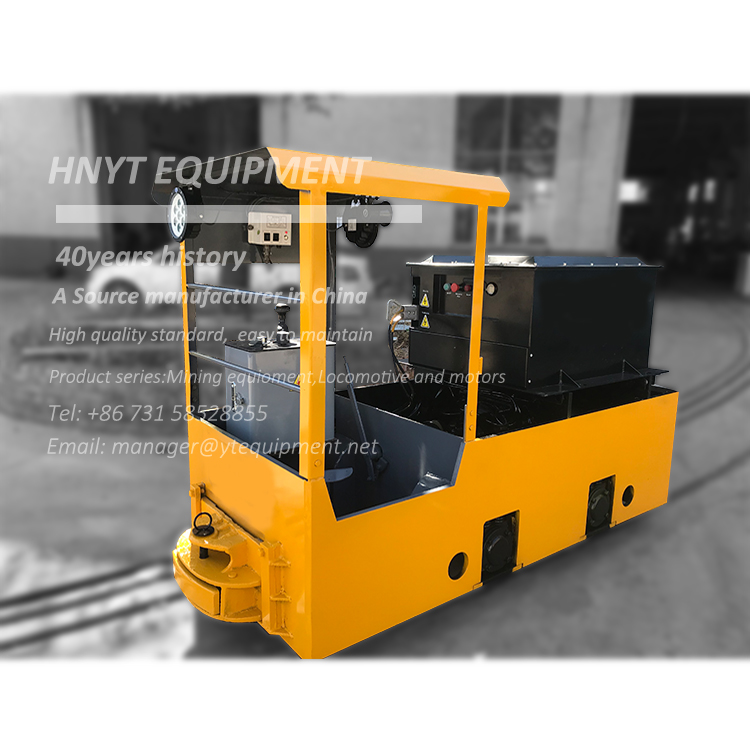
Underground mining environments are among the most punishing landscapes on Earth for heavy machinery. High humidity and abrasive dust continuous stress on haulage equipment. At the heart of these underground mining transportation operations is the underground mining electric locomotive—the true workhorse responsible for moving tons of ore and material daily.
For mine operators and fleet managers, maximizing the operational life of an underground mining electric locomotive translates directly to higher profitability and lower total cost of ownership (TCO). Unexpected breakdowns not only halt production lines but also incur significant emergency repair costs. Implementing a strict, proactive maintenance regimen is the single most effective strategy to safeguard your equipment. This comprehensive guide outlines the critical steps necessary to extend the operational lifespan of your underground mining electric locomotive and ensure continuous, safe underground haulage.
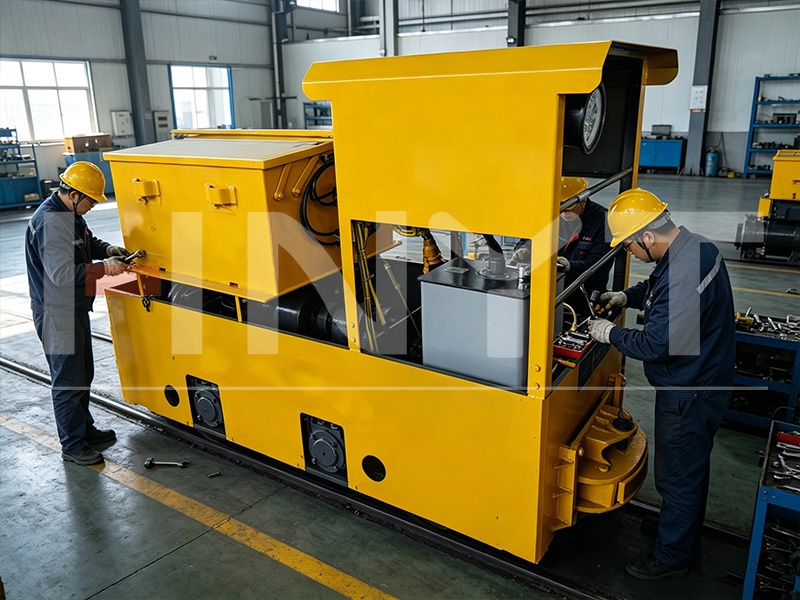
For a battery-powered underground mining electric locomotive, the energy storage system represents a massive portion of the machine's total value. Neglecting battery hygiene drastically cuts down the locomotive's daily runtime and accelerates the permanent degradation of battery cells.
Prevent Deep Discharges: Avoid running the battery pack down to absolute zero. Routinely discharging past 90% of total capacity strains the internal chemistry of both lead-acid battery within the underground mining electric locomotive. Establish strict rules for operators to return units to charging bays when they hit the designated low-power threshold.
Maintain Electrolyte and Fluid Levels: If utilizing traditional lead-acid traction batteries in your underground mining electric locomotive, perform weekly checks on electrolyte levels. Ensure plates remain submerged, but do not overfill, as acid boil-over can corrode the battery chassis and the structural frame of the locomotive.
Keep the Battery Top Clean: Mining dust—especially metallic or carbon-heavy coal dust—conducts electricity. A layer of damp dust on top of the battery cells of an underground mining electric locomotive can create parasitic micro-short circuits, causing slow discharge, cell unbalancing, and localized thermal risks.
Tech Tip for Advanced Fleets: If your mine has transitioned to high-efficiency Lithium Iron Phosphate (LiFePO4) underground mining electric locomotives, ensure your technicians regularly audit the Battery Management System (BMS) logs to catch individual cell voltage imbalances before they compromise the entire power pack.
The stop-and-go nature of underground haulage combined with heavy payloads puts immense pressure on the mechanical interfaces and braking assemblies of any underground mining electric locomotive.
Brake Shoe and Rigging Management
Brake shoes are designed to wear out, but allowing them to wear down to the steel backing plates causes immediate, catastrophic damage to the drive wheels of the underground mining electric locomotive. Inspect brake clearances daily and adjust the brake rigging to guarantee even pressure distribution across all wheels.
Wheel Profile and Flange Inspection
The wheels of an underground mining electric locomotive handle extreme lateral and vertical loads. Over time, friction against the rails degrades the wheel profile and thins out the flanges. Hollow treads or sharp flanges drastically increase the risk of derailments. Derailments do not just warp axles; they cause severe structural twisting to the main frame of the underground mining electric locomotive, often resulting in permanent, irreparable alignment damage. Please regularly measure wheel wear.
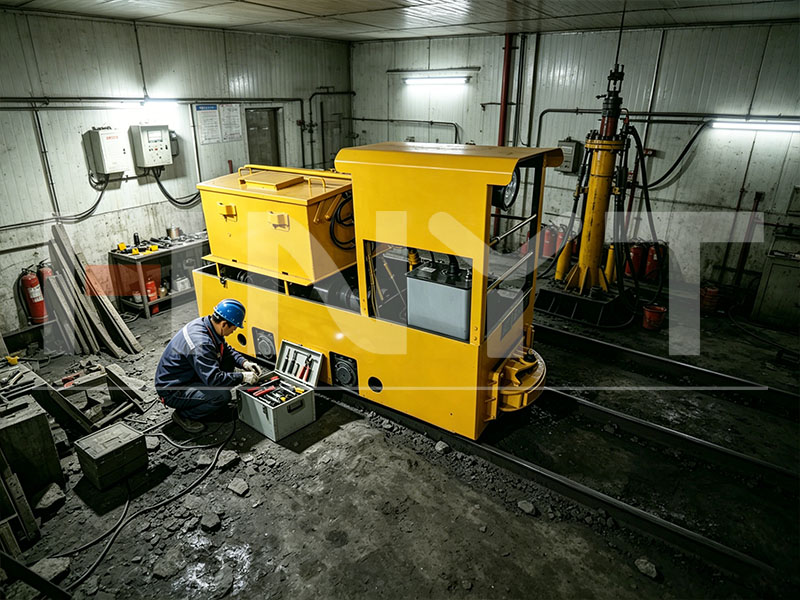
In an underground mine, dust and moisture constantly attempt to penetrate mechanical components. When fine abrasive dust mixes with standard grease inside an underground mining electric locomotive, it forms an aggressive polishing paste that rapidly destroys gears and bearings.
Use Heavy-Duty Mining Grade Grease: Always apply extreme-pressure (EP) lubricants certified for heavy industrial mining applications on your underground mining electric locomotive. These are formulated to maintain a resilient film layer under shock loads and high torque.
Maintain Gearboxes Proactively: The main reduction gearboxes of the underground mining electric locomotive bear the brunt of torque transformation. Change gear oil strictly at specified operational hour intervals. When draining old oil, inspect it using plugs to catch any premature metal shaving accumulation.
Even the most rigorous maintenance routine cannot overcome the damage inflicted by an untrained or reckless operator. The longevity of an underground mining electric locomotive is intrinsically tied to human behavior.
Eliminate Sudden Aggressive Acceleration: Toggling the speed handle instantly to maximum creates a massive current spike in the traction motors and severe mechanical shock loads throughout the drivetrain of the underground mining electric locomotive. Train operators to step up acceleration smoothly.
Strict Overload Prevention: Every underground mining electric locomotive is engineered with a maximum hauling capacity based on the mine's track gradient. Exceeding this weight limit forces the electric motors to operate continuously in their thermal danger zone, breaking down the winding insulation and leading to expensive motor burnouts.
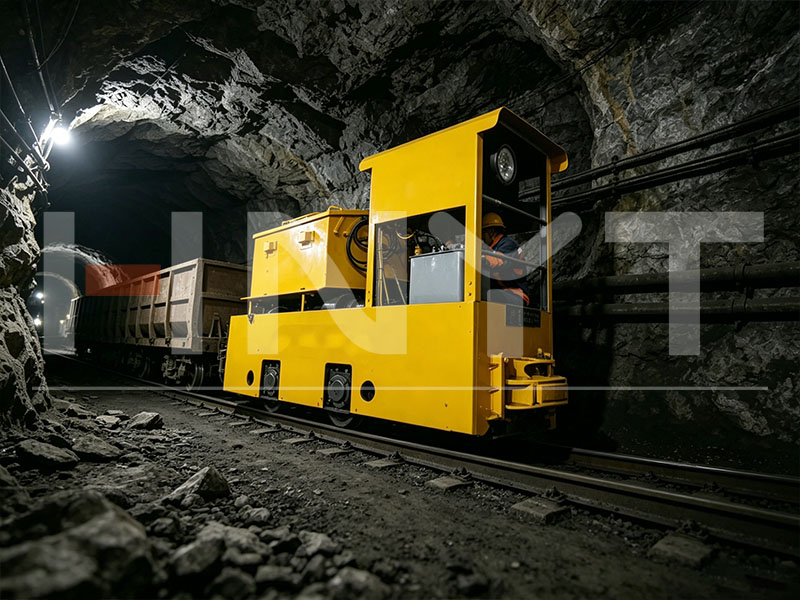
Extending the lifespan of your underground mining electric locomotive does not rely on complex, expensive overhauls; it relies on the disciplined execution of daily and weekly preventative maintenance. By strictly controlling battery health, keeping mechanical parts lubricated, checking electrical connections for vibration loosening, and training operators to handle equipment with care, you can add years of reliable service to your locomotives.