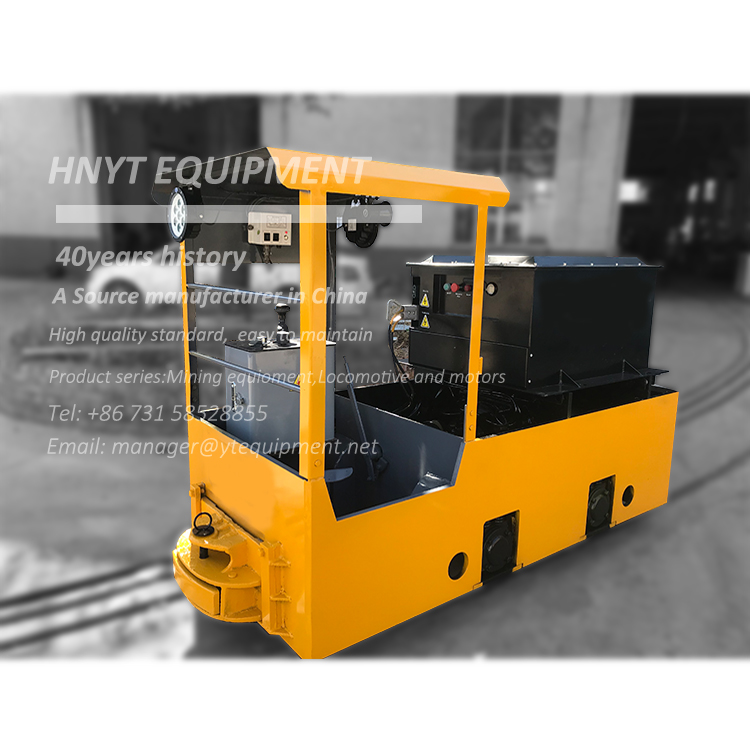
A battery mine locomotive should keep stable traction through the haulage shift. If power drops too fast, it may slow down, lose pulling force or return for charging too early. Common causes include poor charging, battery aging, loose connections, heavy load, bad track condition or abnormal current draw.
This guide focuses on one problem: a battery mine locomotive has shorter driving range than before. It applies to lead-acid, lithium and explosion-proof battery locomotives.
Typical signs include fast voltage drop after startup, weak acceleration, shorter running time after a full charge, frequent low battery alarms, uneven cell temperature, abnormal charger display or a battery pack that cannot hold capacity.
Short battery life can interrupt haulage before the charging station. Stable battery performance protects production schedules, traction motors, controllers and underground traffic safety.
Use a charger that matches the battery voltage, capacity and battery type. A mismatched charger may undercharge the pack, overheat the battery or shorten service life. Before charging, park safely, inspect the case, confirm connector polarity and check that the charger display is normal.
Loose terminals, corroded connectors and dusty surfaces increase resistance. The battery mine locomotive then uses more current for the same work. Clean the battery top, tighten fasteners, check cable insulation and replace damaged connectors.
For lead-acid batteries, low electrolyte level, wrong density, plate sulfation or active material shedding can reduce capacity. For lithium battery mine locomotives, watch BMS alarms, cell consistency and abnormal temperature rise. Test any cell that differs obviously from the pack.
A heavy train, steep grade, wet rail, tight curve or poor wheel-rail contact forces the traction motor to draw higher current. Keep the load within the rated range, maintain wheels and bearings, clean the rail and use proper speed on slopes and curves.
If the battery is healthy but power still drops fast, check the traction motor, controller, contactors and wiring. Abnormal noise, heat, burning smell or uneven output between two motors can increase energy consumption.
Confirm charger model, output voltage, charging current, connector contact and automatic cut-off function. Avoid random chargers, excessive quick charging and long-term overcharging. Record charging time and final voltage for comparison.
Check the case, terminals, cables, fasteners, insulation, electrolyte condition or BMS status. Clean dust and moisture. If capacity loss is caused by severe aging, damaged cells or poor module consistency, replacement is usually more reliable than repeated temporary repair.
Compare running distance, train load, track gradient, rail condition and driver operation. If the same locomotive consumes more power only on one route, the problem may come from route resistance rather than the battery itself.
Stop the battery mine locomotive if the battery case is swollen, electrolyte leaks, connectors overheat, smoke or sparks appear, the BMS gives repeated alarms, voltage falls suddenly, or the locomotive loses power under normal load.
Before each shift, check battery state of charge, connector tightness, cable condition, charger status and abnormal smell or heat. Keep the battery surface clean and dry.
During planned service, measure cell voltage, inspect electrolyte density where applicable, review charger records, clean terminals and test insulation. For lithium battery mine locomotives, check BMS fault records regularly.
Fast battery drain should be handled in a clear order: charger match, charging quality, battery connections, cell condition, load, track resistance and traction system current. Correct charging and regular inspection help a battery mine locomotive keep safer, longer and more stable underground haulage performance.