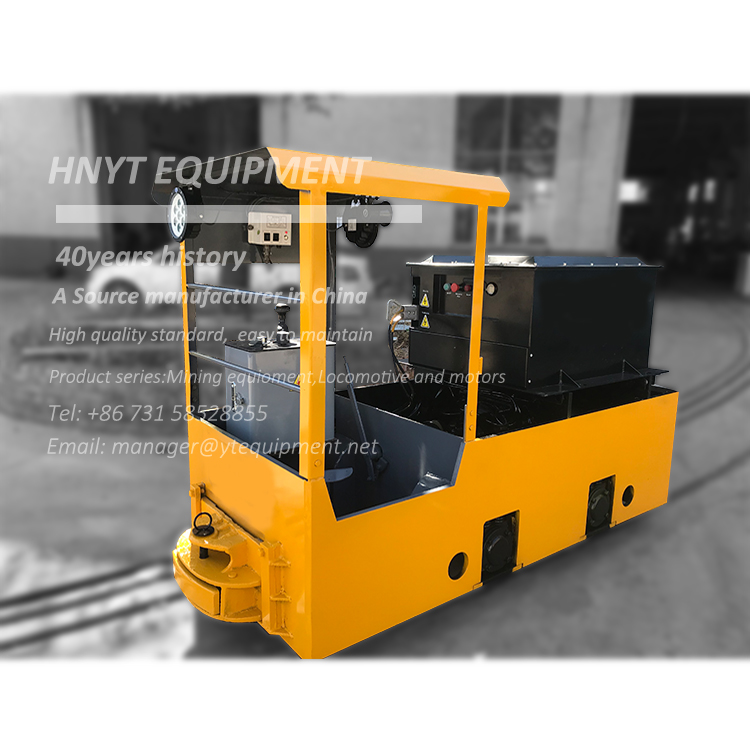
Battery mining locomotive troubleshooting should start with a clear symptom: the battery mining locomotive is powered on, the controller is closed, but the traction motor does not start or rotates abnormally.
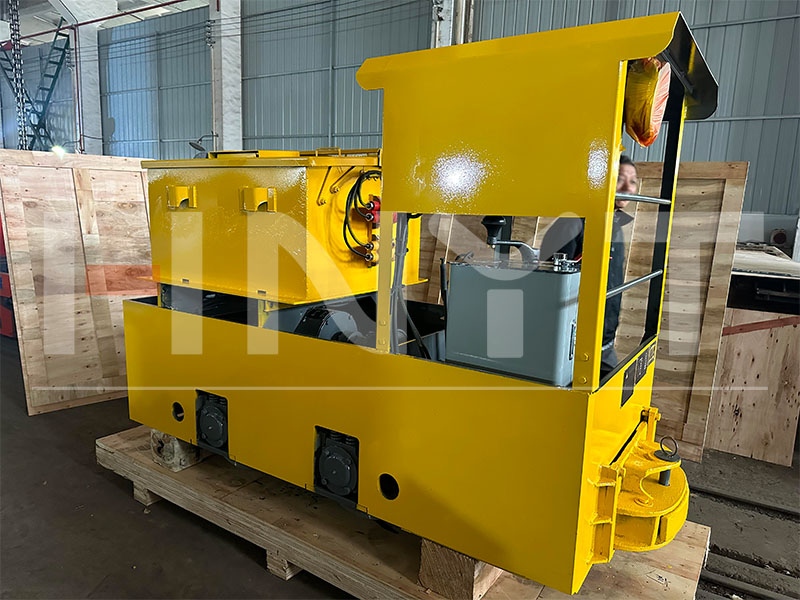
A traction motor fault can stop ore haulage, delay underground transport, and increase mine safety risks.
For battery electric locomotives, check the motor, controller, brushes, commutator, wiring, and load together.
The mining battery locomotive has power, but the traction motor has no normal output.
It may not move at all, or it may start slowly, spark heavily, overheat, or make abnormal noise.
If battery voltage drops sharply, the traction motor may not receive enough power.
Common causes include short circuit, reversed battery cells, poor terminal contact, or a loose plug connector.
Clean and tighten terminals. Inspect the plug connector and power cable. Replace or service weak cells.
A blown fuse, broken power cable, or poor ground can also make the motor appear dead.
Use a meter to check continuity before replacing the controller or motor.
If the controller is closed and the battery mining locomotive still does not run, inspect the locking device, contact points, and shaft.
Loose pins, worn rollers, failed springs, dry bearings, or burned contacts can stop current reaching the traction circuit.
Clean burned contacts. Lubricate or replace damaged bearings. Restore the lock before restarting.
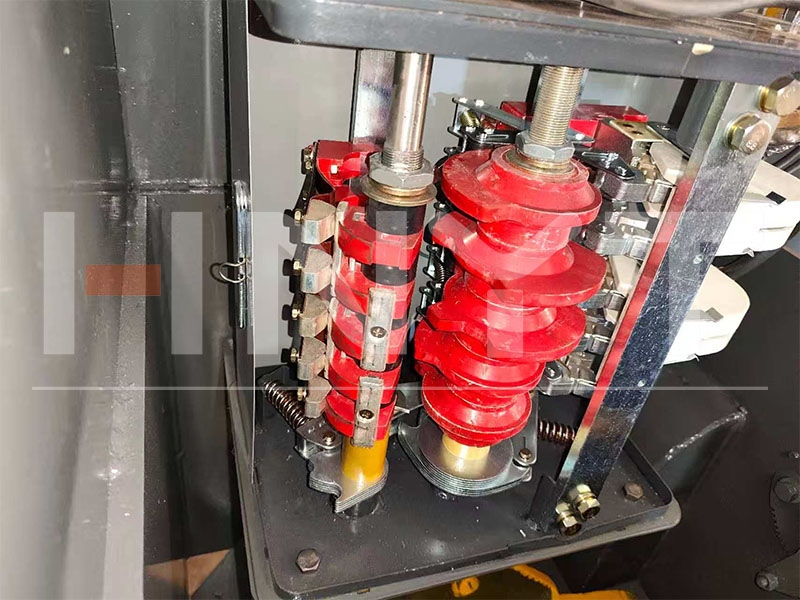
Large brush sparks often point to overload, a dirty or uneven commutator, wrong brush grade, weak spring pressure, or poor contact.
Stop the battery mining locomotive and inspect the commutator. Clean oil, dust, and oxide film. Replace unsuitable brushes and adjust pressure.
Grooves on the commutator may be caused by hard brushes or hard dust particles.
Black segments in a fixed order may indicate armature coil short circuit or poor welding.
If black marks have no fixed order, check brush center alignment and commutator roundness.
Mining Electric locomotive traction motors work under vibration for long periods.
Brush holder leads, main pole leads, auxiliary pole leads, and outgoing wires may break inside the motor.
When suspected, isolate the faulty motor and test windings and lead connections. Do not keep running with a suspected internal break.
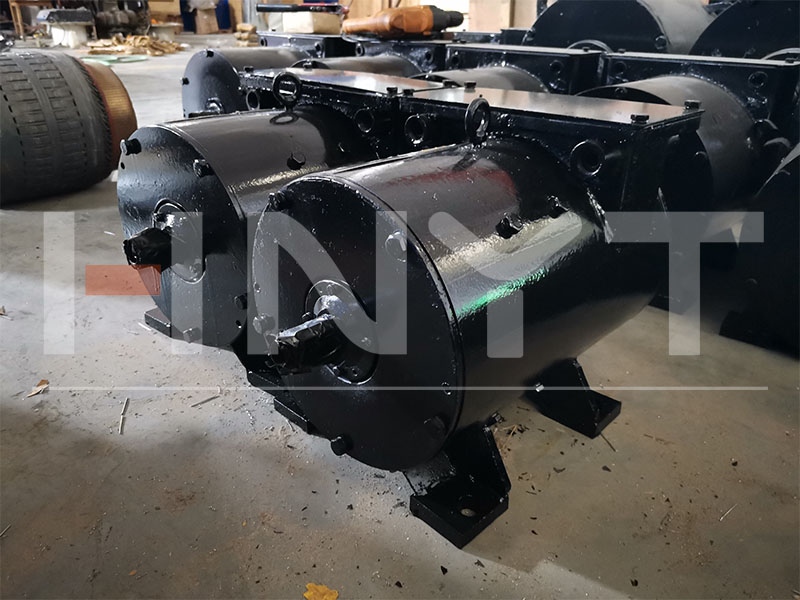
Frequent starting, long running in starting position, and pulling too many mine cars can overheat the motor.
Reduce the load to rated hauling capacity. Avoid repeated hard starts and long low-speed high-current operation.
Too little grease can cause heat and noise. Too much grease can also raise resistance and temperature.
Check bearing noise, temperature, and lubrication amount. Refill or replace grease on schedule.
1. Park safely and cut off power.
2. Check battery voltage, terminals, plug connector, fuse, and cable.
3. Inspect controller contacts, locking parts, springs, and bearings.
4. Clean the commutator and check brush grade, pressure, and movement.
5. Test motor leads and windings for open circuit or short circuit.
6. Check overload history, bearing noise, and lubrication.
7. Run a no-load test before underground service.
Keep the commutator clean and dry. Replace cracked, stuck, or worn carbon brushes in time.
Train drivers to report sparks, motor noise, weak traction, voltage drop, and overheating early.
Routine electric mining locomotive maintenance reduces traction motor failure.
Battery mining locomotive troubleshooting is most effective when technicians follow the power path step by step: battery, fuse, cable, controller, brush, commutator, motor winding, bearing, and load. For a battery mining locomotive traction motor that will not start, this method finds the real fault faster and supports safer underground mine locomotive repair.