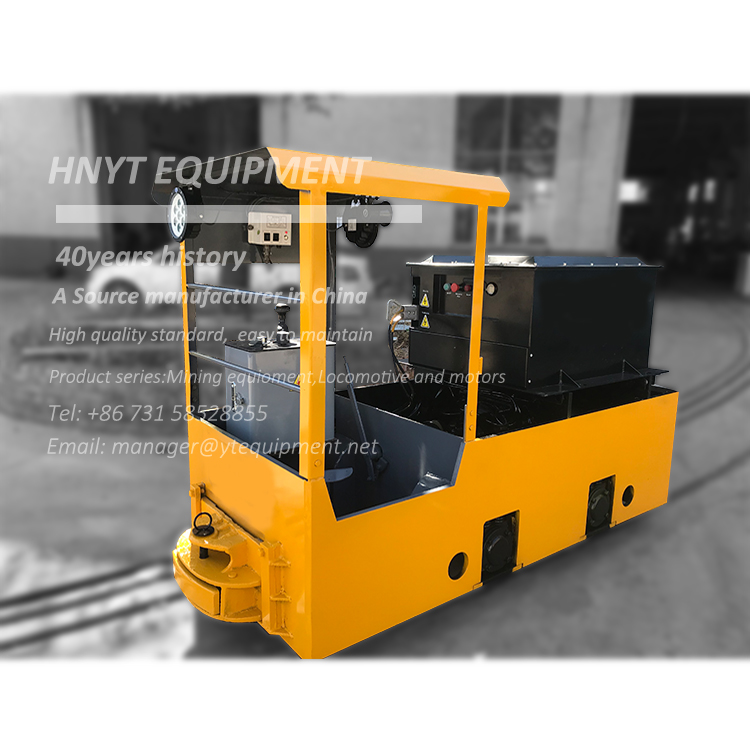
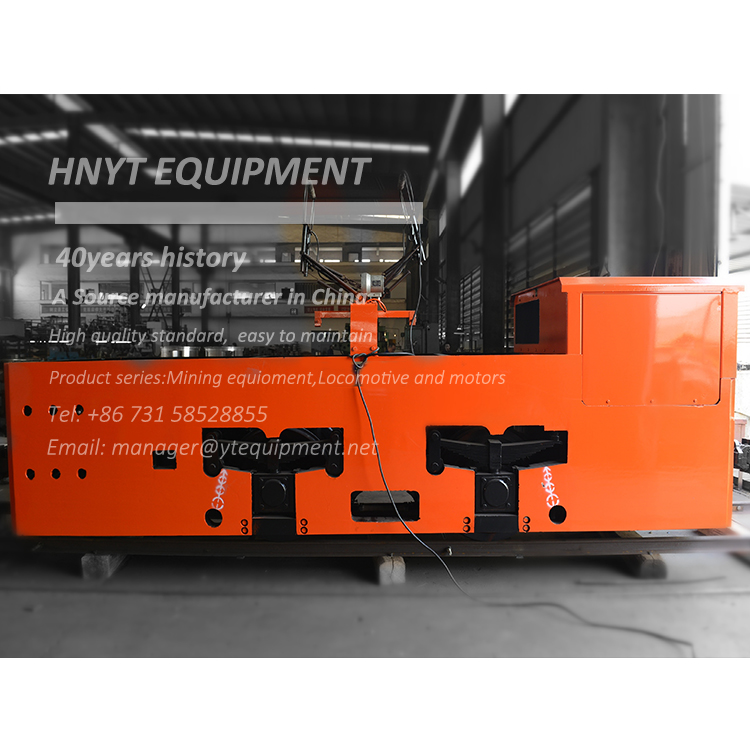
An underground battery electric locomotive is a vital tool in mining transport. However, there are situations where the locomotive may lose control, creating serious safety risks. Proper handling and troubleshooting are essential to ensure safety and restore reliable operation.
Emergency braking
When a locomotive loses control, the driver must immediately apply the emergency brake. Press the emergency button or pull the brake lever to stop the locomotive and prevent accidents.
Check capacitors and IGBT modules
Capacitors and IGBT (Insulated Gate Bipolar Transistor) modules are key parts of the control system. Loose capacitors, failed capacity, or damaged IGBTs can cause loss of control. Inspect these components carefully and replace or secure them if necessary.
Inspect the photoelectric setter
The photoelectric setter regulates voltage signals that control vehicle speed and position. If it is faulty, abnormal voltage may cause instability. Ensure it works correctly, and replace it if damaged.
Verify motor coil grounding
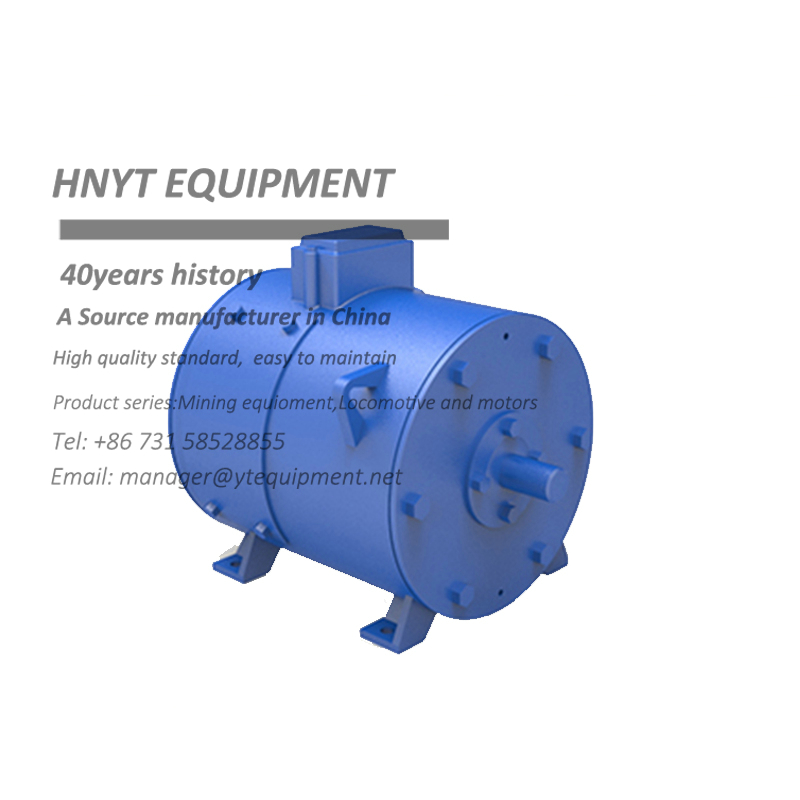
Motor coils are essential for locomotive operation. If a coil, such as line 10, is grounded, it may disrupt control. Check grounding points, reset connections, and tighten them to restore stability.
Seek professional help
If the above steps do not resolve the problem, consult qualified technicians. Mining locomotives have complex electrical and control systems that require expert knowledge for accurate repair.
In conclusion, when an underground battery electric locomotive loses control, drivers should first stay calm and use the emergency brake. Then, check capacitors, IGBTs, photoelectric setters, and motor coil grounding. If the issue persists, always seek professional help to guarantee safe and reliable operation in underground mining.