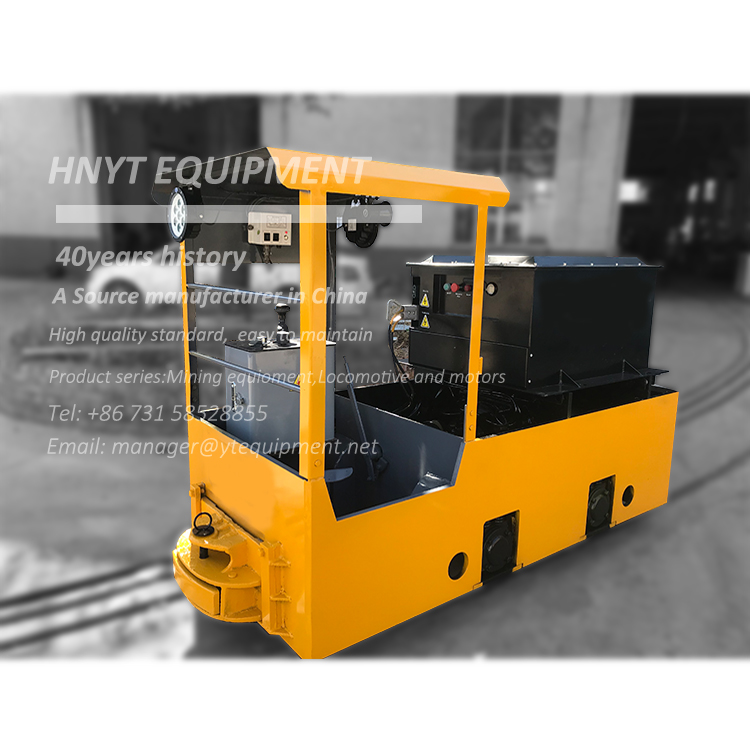
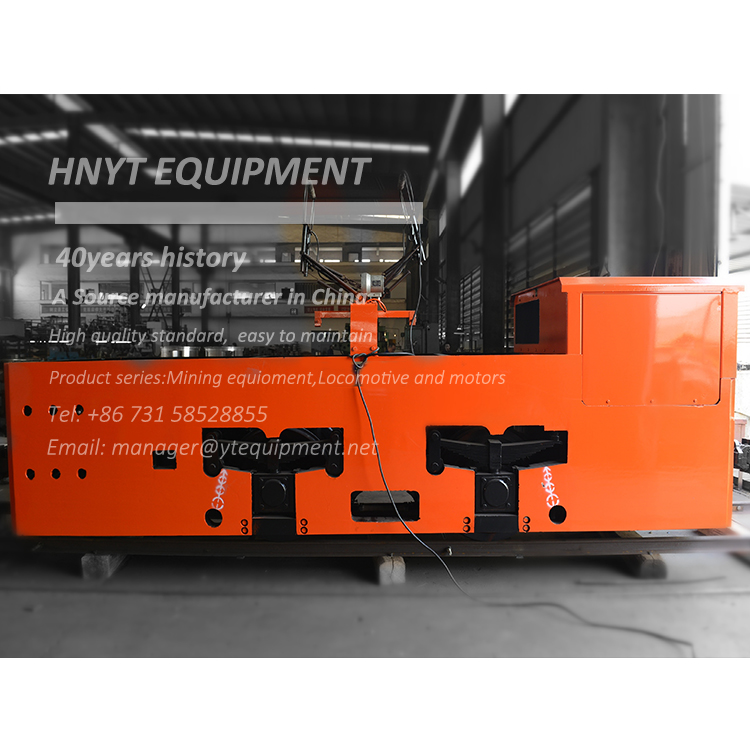
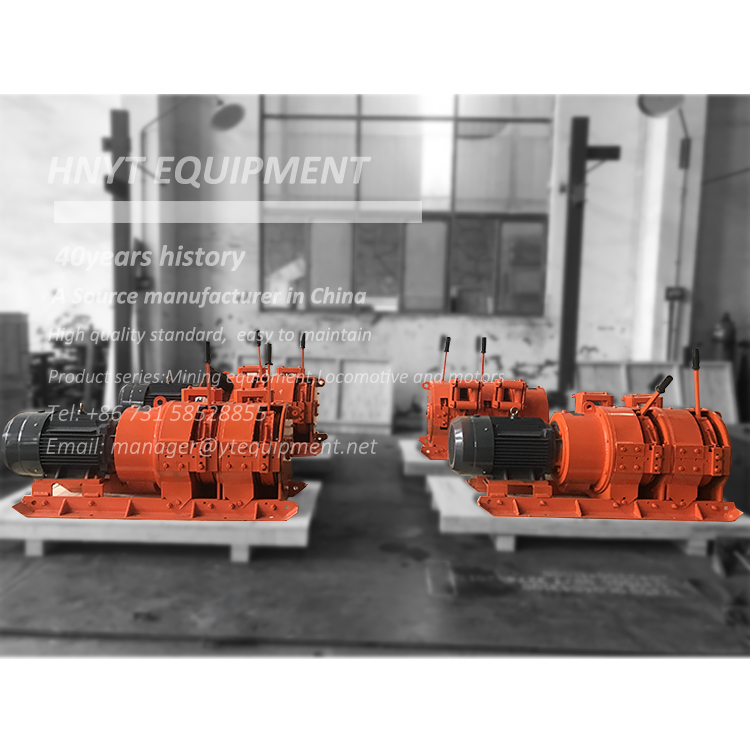
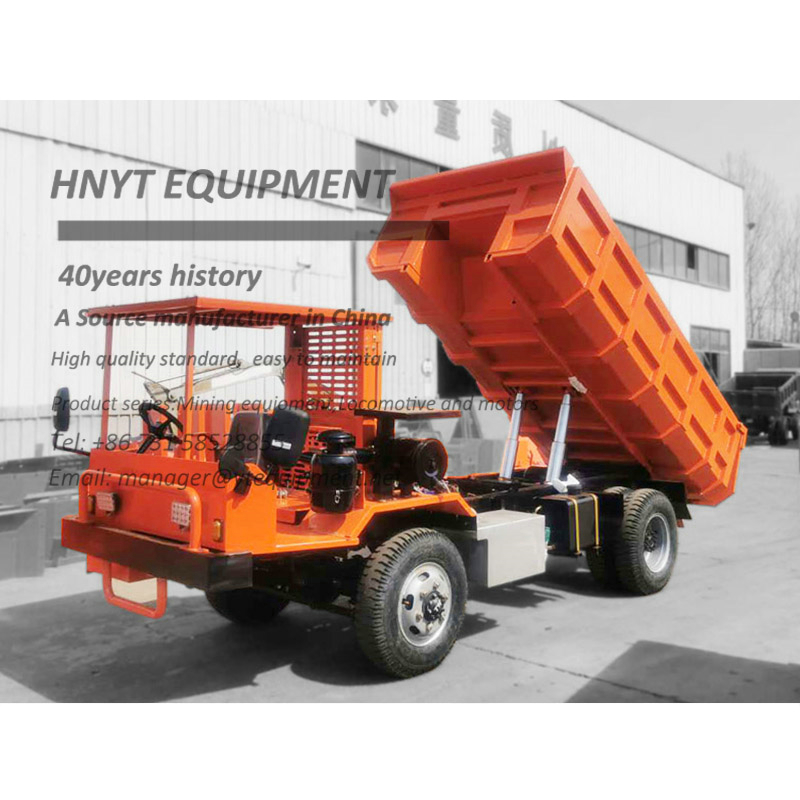
A battery-powered electric locomotive runs on battery power rather than overhead wires. That means charging the battery is a key part of daily operation. But before charging, what safety checks or preparations should you make? Safety must always come first when handling a battery-powered electric locomotive.
1. Park and Inspect the Locomotive
Before charging, stop the battery-powered electric locomotive and check the battery. Make sure the battery case is intact. Look for signs of leakage, corrosion, or loose connectors. A quick inspection can help avoid risks.
2. Confirm Battery and Charger Compatibility
Double-check the battery voltage and capacity. Then, select the correct charger that matches these parameters. Using the wrong charger may damage the battery or reduce its life.
3. Replace the Battery Safely
If using a removable battery system, use a crane to replace the battery. No one should be near the battery's path during the process. Always keep the area clear to prevent accidents.
4. Clean and Inspect the Battery Interior
Before charging, inspect the inside of the battery compartment. If you find any issues, address them first. If everything looks fine, clean the compartment thoroughly to ensure safe and efficient charging.
5. Connect the Charger Properly
When connecting the charger, avoid reverse polarity. Use proper equipment and make sure cleaning tools are removed from the area. Never overcharge the battery — this shortens its lifespan and increases safety risks.
To sum up, proper preparation is essential before charging a battery-powered electric locomotive. Park safely, inspect thoroughly, match the right charger, follow safety rules during battery replacement, and charge with care. These simple steps help extend battery life and protect your equipment. Always follow best practices when operating a battery-powered electric locomotive.